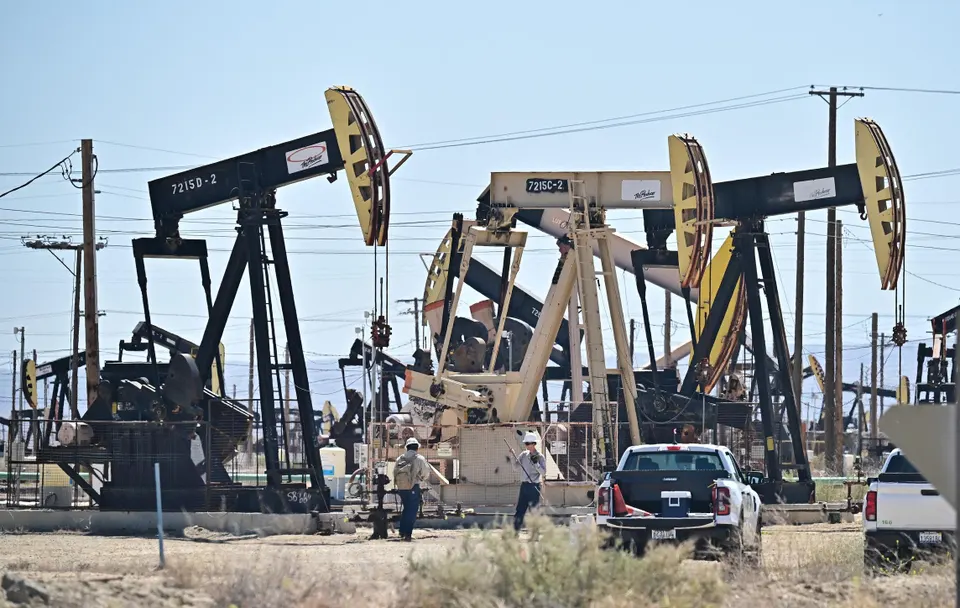
The energy market, subject to extreme volatility in recent years, could see a significant respite. Expectations surrounding the imminent exploitation of vast natural gas reserves located off the East Coast are materializing, fueling optimism among analysts. These new supply capacities are considered the main driver of a potential drop in gas prices of up to 20%.
The Importance of Security of Supply
The recent energy crisis highlighted the vulnerability of markets to geopolitical shocks and supply chain disruptions. For the coastal countries concerned, the exploitation of these offshore reserves is strategic:
Energy Independence: It reduces dependence on imports and cross-border gas pipelines, increasing energy sovereignty.
Stability: A guaranteed and substantial domestic or regional supply mitigates the impact of fluctuations in global liquefied natural gas (LNG) prices.
The scale of the gas fields discovered on the East Coast is sufficient to transform the balance of supply and demand in local and regional markets.
How Offshore Production Can Drive Prices Down
The mechanism behind the price decrease is simple and direct: a massive influx of supply.
Local Supply Saturation: Once the infrastructure is operational and the gas is pumped into onshore networks, the increased available volume immediately puts downward pressure on wholesale prices.
Reduced Logistics Costs: Gas produced locally or nearby eliminates a large portion of the transportation costs associated with long-distance imports (LNG carrier costs, regasification), allowing suppliers to offer lower prices.
Increased Competition: The arrival of this « new » and abundant gas forces existing market players to adjust their prices to remain competitive, ultimately benefiting end consumers.
Economic models suggest that the start of production from these reserves could, over the next 12 to 18 months, result in a gradual and stable 20% decrease in forward supply contracts.
Economic Impact
Beyond the direct impact on household and business heating and electricity bills, this drop in gas prices would have significant positive repercussions:
Industrial Competitiveness: Heavy industries (chemicals, metallurgy), which are major gas consumers, would regain greater competitiveness, helping them to face international competition.
Purchasing Power: The reduction in energy costs acts as a powerful stimulus to purchasing power, freeing up financial resources for other expenditures.
Local Employment: The development of the fields also creates highly skilled jobs in the engineering, construction, and offshore maintenance sectors.
A Qualified Optimism
While enthusiasm is palpable, achieving the 20% price reduction depends on several critical factors:
The Timing: Any delays in commissioning the platforms or constructing the onshore pipelines would postpone the impact on prices.
Global Demand: Exceptionally strong global demand, particularly in Asia, could mitigate the local price decrease, as some of the gas could be sold on international markets to maximize profits.
Regulations: Government policies on exports and taxes could influence the final price for consumers.
Nevertheless, the opening of these East Coast reserves represents a major turning point. It promises greater energy resilience and, above all, a period of financial relief for consumers and industry.